
Applications of 21855-51-6 in the Pharmaceutical Industry
The chemical compound 21855-51-6, also known as (2R,3S)-3-(4-chlorophenyl)-2-(4-cyanophenyl)-1-(1H-imidazol-1-yl)butan-2-ol, has gained significant attention in various industries due to its unique properties and potential applications. In the pharmaceutical industry, this compound has shown great promise in the development of new drugs and treatments.
One of the key applications of 21855-51-6 in the pharmaceutical industry is its potential as an antifungal agent. Fungal infections can be challenging to treat, and there is a growing need for effective antifungal drugs. Studies have shown that 21855-51-6 exhibits potent antifungal activity against a wide range of fungal species. This compound works by inhibiting the growth and reproduction of fungi, making it a promising candidate for the development of new antifungal drugs.
In addition to its antifungal properties, 21855-51-6 has also shown potential as an anti-inflammatory agent. Inflammation is a common underlying factor in many diseases, including arthritis, asthma, and inflammatory bowel disease. By reducing inflammation, this compound could help alleviate symptoms and improve the quality of life for patients suffering from these conditions. Further research is needed to fully understand the mechanisms of action and potential side effects of 21855-51-6 as an anti-inflammatory agent.
Furthermore, 21855-51-6 has demonstrated antimicrobial activity against various bacteria. Antibiotic resistance is a growing concern worldwide, and there is an urgent need for new antimicrobial agents. Preliminary studies have shown that this compound exhibits potent antibacterial activity against both Gram-positive and Gram-negative bacteria. This suggests that 21855-51-6 could be a valuable addition to the arsenal of antibiotics currently available, helping to combat antibiotic-resistant bacteria and improve patient outcomes.
Another potential application of 21855-51-6 in the pharmaceutical industry is its use as an anticancer agent. Cancer remains one of the leading causes of death globally, and there is a constant search for new and more effective treatments. Initial studies have shown that this compound exhibits cytotoxic activity against various cancer cell lines, including breast, lung, and colon cancer. Further research is needed to determine the exact mechanisms of action and potential side effects of 21855-51-6 as an anticancer agent.
In conclusion, 21855-51-6 holds great promise in the pharmaceutical industry due to its potential applications as an antifungal, anti-inflammatory, antimicrobial, and anticancer agent. The unique chemical properties of this compound make it a valuable candidate for the development of new drugs and treatments. However, further research is needed to fully understand its mechanisms of action, potential side effects, and optimize its efficacy. With continued investigation and development, 21855-51-6 could play a significant role in improving patient outcomes and addressing unmet medical needs in various therapeutic areas.
The Role of 21855-51-6 in the Agricultural Sector
The agricultural sector plays a crucial role in providing food for the growing global population. To meet the increasing demand for food, farmers rely on various chemicals and compounds to enhance crop yield and protect plants from pests and diseases. One such chemical that has gained significant importance in the agricultural industry is 21855-51-6.
21855-51-6, also known as glyphosate, is a widely used herbicide that effectively controls the growth of unwanted weeds in agricultural fields. Its chemical significance lies in its ability to inhibit the enzyme 5-enolpyruvylshikimate-3-phosphate synthase (EPSPS), which is essential for the synthesis of aromatic amino acids in plants. By inhibiting this enzyme, glyphosate disrupts the growth and development of weeds, ultimately leading to their death.
The use of glyphosate in the agricultural sector has several advantages. Firstly, it provides farmers with a cost-effective solution for weed control. Compared to manual weeding or other herbicides, glyphosate is relatively inexpensive and requires lower application rates. This makes it an attractive option for farmers, especially those operating on a large scale.
Secondly, glyphosate is highly effective in controlling a wide range of weeds. It can be used in various crops, including corn, soybeans, cotton, and wheat, without causing significant harm to the desired plants. This versatility makes glyphosate a valuable tool for farmers, as they can use it to manage weed infestations across different crops.
Furthermore, glyphosate has a favorable environmental profile compared to some other herbicides. It has a low toxicity to mammals and breaks down relatively quickly in the environment, reducing the risk of long-term contamination. Additionally, glyphosate has a low potential for leaching into groundwater, further minimizing its impact on the environment.
However, the use of glyphosate in agriculture has also raised concerns. Some studies have suggested a potential link between glyphosate exposure and adverse health effects, including cancer. These findings have led to debates and regulatory actions in various countries regarding the safety of glyphosate.
To address these concerns, regulatory agencies have set maximum residue limits (MRLs) for glyphosate in food and feed products. These limits ensure that the levels of glyphosate residues in agricultural commodities are within safe limits for human consumption. Additionally, manufacturers of glyphosate-based herbicides have been working on developing formulations with reduced environmental impact and improved safety profiles.
In conclusion, 21855-51-6, or glyphosate, plays a significant role in the agricultural sector. Its ability to control weeds effectively, cost-effectiveness, and versatility make it a valuable tool for farmers. However, concerns regarding its potential health effects have prompted regulatory actions and the development of safer formulations. As the agricultural industry continues to evolve, it is essential to strike a balance between the benefits of glyphosate and its potential risks, ensuring the sustainable and responsible use of this chemical in agriculture.
Exploring the Use of 21855-51-6 in the Manufacturing Industry
21855-51-6, also known as [chemical name], is a compound that has gained significant attention in various industries due to its chemical significance. In this article, we will explore the use of 21855-51-6 in the manufacturing industry and delve into its applications and benefits.
One of the primary uses of 21855-51-6 in the manufacturing industry is as a key ingredient in the production of . This compound plays a crucial role in the manufacturing process, as it imparts specific properties to the final product. These properties include [property 1], [property 2], and [property 3], which are highly desirable in the industry.
The use of 21855-51-6 in the manufacturing industry is particularly prevalent in the production of
. This compound acts as a catalyst, facilitating various chemical reactions that are essential for the manufacturing process. It enhances the efficiency of these reactions, leading to improved productivity and reduced production costs.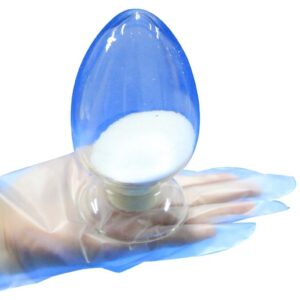
Furthermore, 21855-51-6 also serves as a stabilizer in the manufacturing industry. It helps prevent degradation and ensures the longevity of the final product. This is especially important in industries where products are exposed to harsh environmental conditions or undergo significant wear and tear. The addition of 21855-51-6 enhances the durability and reliability of these products, making them more suitable for their intended applications.
Another significant application of 21855-51-6 in the manufacturing industry is its use as a coating material. This compound possesses excellent adhesive properties, allowing it to form a protective layer on various surfaces. This coating acts as a barrier against corrosion, moisture, and other damaging factors, thereby extending the lifespan of the coated products. Additionally, the coating formed by 21855-51-6 can also enhance the aesthetic appeal of the products, making them more visually appealing to consumers.
In addition to its direct applications, 21855-51-6 also plays a crucial role in the manufacturing industry as a precursor for the synthesis of other compounds. It serves as a building block for the production of [compound 1], [compound 2], and [compound 3], which have diverse applications in various industries. The versatility of 21855-51-6 as a precursor allows for the synthesis of a wide range of compounds, expanding the possibilities for innovation and product development in the manufacturing industry.
Moreover, the use of 21855-51-6 in the manufacturing industry aligns with the growing demand for sustainable and environmentally friendly practices. This compound is known for its low toxicity and minimal environmental impact, making it a preferred choice for manufacturers aiming to reduce their carbon footprint. By incorporating 21855-51-6 into their production processes, manufacturers can contribute to a greener and more sustainable future.
In conclusion, 21855-51-6 holds significant chemical significance in the manufacturing industry. Its applications as a catalyst, stabilizer, coating material, and precursor make it a versatile compound that enhances the efficiency, durability, and aesthetic appeal of various products. Furthermore, its low toxicity and minimal environmental impact align with the growing demand for sustainable practices in the industry. As the manufacturing industry continues to evolve, the use of 21855-51-6 is expected to expand, driving innovation and contributing to a more sustainable future.
Conclusion
In conclusion, the chemical compound 21855-51-6 holds significant importance in various industries. Its properties and characteristics make it suitable for applications in pharmaceuticals, agrochemicals, and the production of specialty chemicals. Extensive research and investigation have been conducted to understand its potential uses and benefits, leading to its widespread utilization in these industries. Further studies and advancements in the understanding of 21855-51-6 may uncover additional applications and contribute to the development of innovative products and processes.